

No. Most pediatricians discourage caffeine consumption in children and kids.
While a sip from mom's cup of coffee might seem harmless, a child's developing body handles caffeine consumption very differently from an adult's. Issues such as sleep disruption, increased anxiety, and the impact of stimulants on smaller bodies raise real health concerns.
Let’s take a closer look at caffeine and energy drinks to find kid-friendly, healthier choices that help avoid excessive caffeine.
Why Does Too Much Caffeine Affect Kids Differently?
To understand why coffee and energy drinks are discouraged for kids, we have to look at body physiology.
Because kids have much smaller body mass, the same amount of caffeine delivers a significantly higher dose per pound of body weight. Furthermore, children’s extra-sensitive brains and nervous systems are still "under construction.”
Think of it this way: imagine putting a teaspoon of spicy chili powder into a tiny soup bowl versus a massive stew pot. In the big pot, the spice diffuses comfortably; in the small bowl, it is overwhelming.
Even about a half cup of coffee can significantly impact children and young people’s development. Consuming too much caffeine at once can be overwhelming for their nervous systems.
Kids also metabolize caffeine at different rates than adults, often keeping the "jitters" and short-term side effects in their system longer. Developing neural pathways are sensitive to dopamine stimulation from caffeine, increasing the risk of addictive behavior and dependency on the substance.
Key Insight: Because children and kids have much smaller body mass, the same amount of caffeine delivers a significantly higher dose per pound, overwhelming their developing nervous systems much faster than adults. |
3 Critical Daily Limits for Caffeine Intake by Age

While some parents and caregivers view about half a cup of coffee as a harmless treat, health organizations provide strict boundaries to prevent too much caffeine.
The American Academy of Pediatrics recommends that children avoid caffeine and energy drinks. For adolescents and teens aged 12 to 18, caffeine intake should adhere to daily limits, generally 100 mg per day (roughly one cup of coffee).
Despite these warnings and federal guidelines that parents should know, 71% of U.S. children and kids aged 2–19 consumed caffeine daily.
In a study of 5- to 7-year-old children, the average daily caffeine consumption was approximately 52 mg of caffeine, while 8- to 12-year-olds consumed about 109 mg daily. Much of this consumption comes from soda and energy drinks.
The FDA also explicitly warns parents about the negative effects of high caffeine intake from beverages, including increased heart rate and high blood pressure.
Caffeine Content Chart (Standard 8 oz Servings)
Caffeine levels can vary widely depending on the type of beverage and how it’s prepared. The chart below provides approximate amounts of caffeine and sugar in common drinks to help you compare your options.
Beverage | Caffeine (approx. mg) | Sugar (approx. g) |
|---|---|---|
Brewed Coffee | 95–120 mg | 0 |
Espresso Shot (1 oz) | 63 mg | 0 |
Cola (Soda) | 25–35 mg | 27 |
Hot Chocolate Milk | 2–7 mg | 10 |
Leading Energy Drinks (e.g., Red Bull, Monster) | 80–160 mg | 27–34 |
Warning/Important: The American Academy of Pediatrics draws a hard line: children under 12 should consume no caffeine. For teens, daily limits exist, but avoidance remains the safest recommendation for developing bodies. |
Sneaky Sources of Caffeine in Soda and Energy Drinks
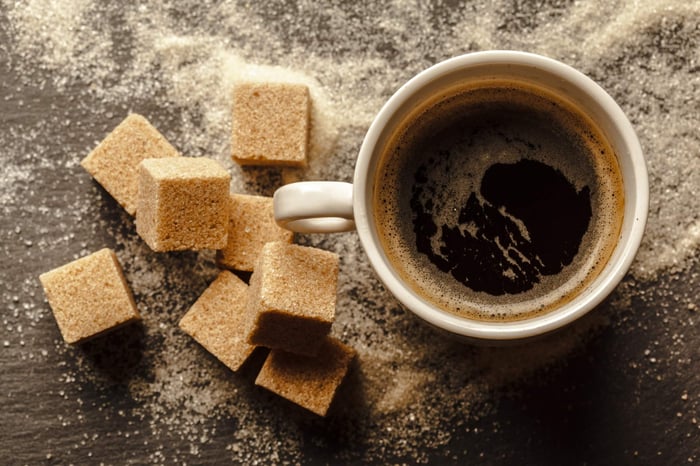
Coffee isn't the only culprit. Caffeine hides in many beverages marketed as "refreshers" such as energy shots, soda (like Coke), and bottled iced tea.
Even snacks can be deceptive; a bar of dark chocolate can sometimes rival a can of cola or soda in caffeine content. Energy drinks are particularly high in caffeine and sugar, often exceeding the caffeine in about a half cup of coffee.
When you combine this stimulant with high sugar content, it creates a blood-glucose roller coaster that leads to energy crashes, headaches, and irritability in kids. Parents often switch to hot chocolate, assuming it is safe, but check labels carefully for amounts of caffeine.
Label-reading mini-checklist for caffeine and energy drinks:
- Scan for "Guarana" (a plant seed with high caffeine density often in energy drinks).
- Look for "Yerba Mate" extracts in tea and beverages.
- Check the nutrition facts specifically for "caffeine content" in milligrams (mg).
What Are the Health Risks of Consuming Caffeine?
The dangerous health risks of early caffeine introduction go beyond just a hyperactive afternoon. Consuming too much caffeine or high amounts of energy drinks, according to scientific data, points to several short-term side effects and long-term impacts on children.
Sleep Loss
The NIH Youth Sleep Study connects caffeine intake to disrupted sleep cycles, which directly correlates with lower academic grades and difficulty in school.
Cardiovascular Stress
A 2019 meta-analysis showed that energy drinks can cause a transient rise in systolic blood pressure by about 5 mm Hg in children and teens.
Mental Health
Journals noted higher anxiety, depression, and stress scores in teens and adolescents who are habitual caffeine consumers.
Bone Health
Does coffee stunt growth? Emerging research suggests caffeine may affect children’s growth by reducing calcium absorption, which is critical during peak bone-building years and growth.
While long-term pediatric data on caffeinated drinks and beverages are still limited, current medical evidence heavily skews toward caution regarding caffeine.
Key Insight: Caffeine consumption in youth is linked to shorter sleep duration and later bedtimes due to melatonin suppression, directly affecting academic performance and mood stability in growing children. |
Kid-Approved Alternatives to Caffeinated Drinks
If your child or teen is looking for an energy boost or a tasty drink, there are plenty of effective swaps (not even decaf coffee) that won't disrupt their sleep or heart rate.
A simple glass or cup of cold water often cures fatigue better than coffee or caffeinated soda.
If they need... | Try this Caffeine-Free Boost |
|---|---|
Morning wake-up | 5-minute sunshine walk |
Afternoon slump or snack time | Greek yogurt + fruit |
Focus for school homework | 2-minute jumping-jack break + glass of water |
"Warm treat" craving | Cinnamon-spiced warm milk |
Remember, true energy for kids comes from healthy choices like hydration and consistent rest time (9–11 hours of sleep for school-aged kids).
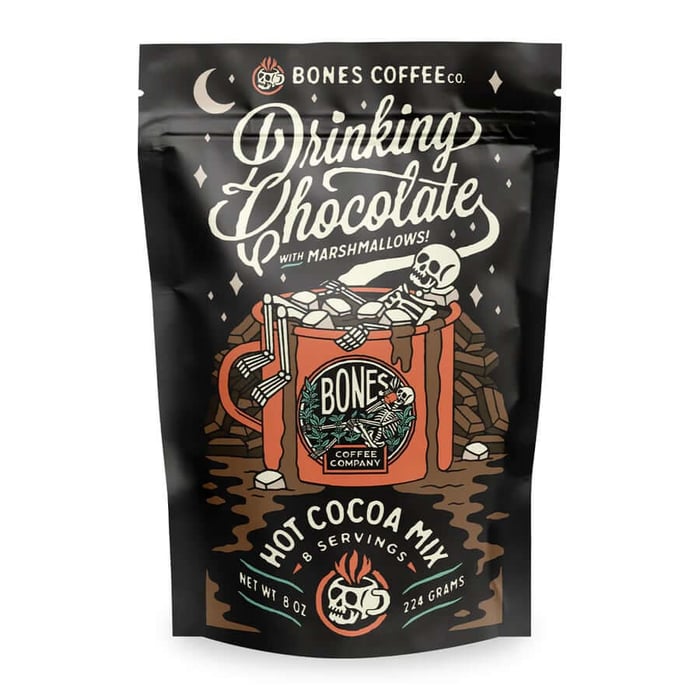
For older kids, a warm mug of hot chocolate can satisfy the craving without the jitters or high amounts of caffeine.
The Bottom Line on Kids, Coffee, and Energy Drinks
When it comes to kids, coffee, and energy drinks, the verdict is clear: pediatrics discourages caffeine consumption, and children are better off caffeine-free.
This approach helps protect children’s sleep cycles, brain development, and overall growth while avoiding unnecessary cardiac stress from high caffeine intake. Coffee and energy drinks offer no unique benefits for kids, and any antioxidants they contain can be found in whole foods.
Kids might not even enjoy coffee’s bitter taste, but adults can still indulge in rich, high-quality coffee. Check out Bones Coffee Company’s flavored medium and dark roasts for a satisfying experience made for grown-up palates.